Find Asphalt Flexural Testing Machine for Plastic, Cement, and Wood
Source 30 asphalt flexural testing machines from verified Chinese suppliers. Compare specifications including computer control, digital display, and loading speeds ranging from 0.01 to 500mm/min for various material testing needs.
Key considerations
Products List


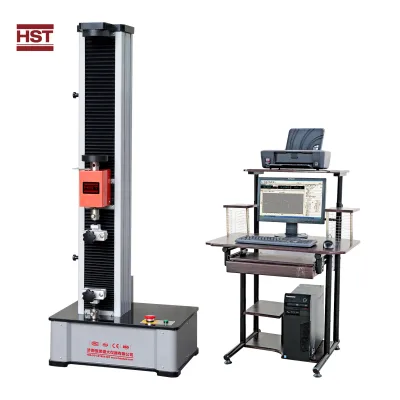


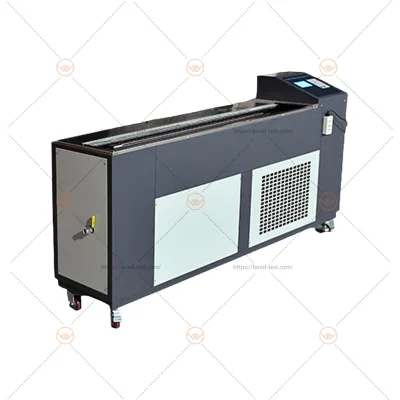


Comprehensive Sourcing Guide
Strategic Sourcing Guide for Asphalt Flexural Testing Machines
Understanding Core Technical Specifications and Operational Parameters
When initiating a procurement process for an asphalt flexural testing machine, the primary objective is to align the equipment's technical capabilities with the specific requirements of your laboratory or field testing protocols. The market presents a variety of configurations, but a rigorous analysis of the supplied product data reveals a distinct set of operational parameters that define the current generation of these instruments. A critical observation from the available data is the variation in control systems. While some units are specified with "Computer Control" for automated data acquisition and analysis, others utilize "Single Chip Control" or "Electronic Load" mechanisms. Buyers must verify which control architecture is standard for the specific model they are considering, as this dictates the level of automation, data logging capabilities, and integration with existing laboratory software.
The mechanical loading system is another fundamental specification. The observed data indicates a "Static Load" method for certain configurations, while other listings describe a "Dynamic Load" approach. This distinction is vital because static loading is typically preferred for measuring the flexural strength of brittle materials like asphalt under steady conditions, whereas dynamic loading may be required for fatigue analysis. The loading capacity varies significantly across the product range, with some units offering a maximum test force of 5kN, while others support capacities up to 1000kN. The loading speed range is equally critical; the data shows a broad spectrum from 0.01mm/min to 500mm/min. Procurement teams must ensure the selected machine can operate within the precise speed limits required by the specific asphalt testing standard they intend to follow, as incorrect loading speeds can lead to inaccurate stress-strain curves.
Temperature control is a specialized feature often required for asphalt testing, as material properties are highly temperature-dependent. The observed data specifies a temperature control range of 50-200℃ for certain models. This range must be cross-referenced with the testing protocols for the specific asphalt binders or mixtures being evaluated. Furthermore, the physical dimensions of the testing space are non-negotiable constraints. The "Rolling Wheel Width" is observed at 300mm, and the "Compression Space" is listed as 600mm. The specimen adaptation range is noted as 250×30×35mm, which dictates the maximum size of the asphalt beam or sample that can be accommodated. Buyers should verify if the machine's structural design, such as the "Single Column Double Spaces" configuration, aligns with the laboratory's spatial constraints and workflow requirements.
Compliance Verification and Standard Alignment
Navigating the compliance landscape for asphalt testing equipment requires a careful distinction between observed product attributes and external certification claims. The supplied product data explicitly lists several standards and specifications that serve as internal benchmarks for the machine's design. For instance, the product standard is noted as "Wheel width: 300mm 200-400N/cm," which defines the mechanical interface and load distribution requirements. Another standard specification mentions dimensions of "560X350X700mm," likely referring to the machine's footprint or the specific test fixture dimensions. It is imperative for buyers to understand that these are product-specific design parameters rather than universal industry certifications.
While the background information mentions standards such as ISO 9001, ISO9001:2015, EN 196-1, ASTM C109, and ASTM C348, the provided product facts do not explicitly confirm that every listed unit holds these certifications. Therefore, the procurement strategy must focus on verification rather than assumption. Buyers should request specific documentation proving that the machine's testing accuracy and calibration procedures meet the relevant ASTM or EN standards for asphalt testing. The data indicates a "Load Accuracy" of "1 Class" and a "Data Acquisition Accuracy" of ±0.5% Fs. These figures are critical performance metrics that must be validated through third-party calibration certificates before purchase. The "Effective Accuracy" is listed as ±1%, and the "Displacement Resolution" is 0.01mm. These specifications suggest a high level of precision, but the buyer must confirm that these values are maintained under the specific ambient conditions of their testing environment, which is required to be between 5℃ and 35℃.
The compliance verification process should also extend to the electrical and safety standards of the equipment. The power source is specified as AC220V, which is a standard voltage in many regions but requires verification for compatibility with the local power grid. The "Accuracy Grade" is listed as "Control:Computer Control" in some contexts, which implies a software-driven compliance with testing protocols. However, the buyer must ensure that the software itself is compliant with data integrity regulations, such as 21 CFR Part 11 if operating in a regulated environment. The absence of explicit certification claims in the core product facts means that the onus is on the supplier to provide evidence of compliance with international testing standards, rather than the buyer assuming compliance based on the product category.
Cost Drivers and Pricing Structure Analysis
The pricing structure for asphalt flexural testing machines is influenced by a complex array of factors, ranging from technical complexity to logistical considerations. The observed price range in the market is vast, spanning from $1 to $150,000. This extreme variance indicates that the market includes both basic manual or semi-automated units and highly sophisticated, fully computerized systems with advanced data acquisition capabilities. The lower end of the price spectrum likely corresponds to machines with simpler control methods, such as "Single Chip Control," and lower load capacities. Conversely, the higher price points are associated with units featuring "Computer Control," higher load ranges (up to 1000kN), and advanced temperature control systems.
A significant cost driver is the customization capability. The data confirms that "Customization" is available, and the "Brand Name" can be "HST OR OEM." Customization often involves tailoring the machine's dimensions, load cells, or software interfaces to specific client needs, which inevitably increases the unit cost. Additionally, the "Supply Ability" is noted as 800 sets per month, suggesting that while mass production is possible, custom orders may incur longer lead times or higher costs due to the specialized nature of the components. The "Packaging Details" also play a role in the final cost. The standard packaging involves a "Wooden Box + Foam Protection" or "Standard export wooden box," which is essential for protecting the sensitive mechanical and electronic components during international shipping. Buyers should be aware that specialized packaging requirements, such as those for fragile optical sensors or precision load cells, can add to the overall expense.
The "Unit" of measurement for the machine's capacity (G, Kg, N, Lb) and the "Resolution" (1/250,000) are also factors that influence cost. High-resolution load cells and multi-unit conversion capabilities are premium features that command higher prices. Furthermore, the "Port of dispatch" is listed as Qingdao, China. Buyers must factor in shipping costs, insurance, and import duties, which can significantly impact the total cost of ownership. The "MOQ" (Minimum Order Quantity) is observed as 1, which offers flexibility for small laboratories but may result in higher per-unit costs compared to bulk procurement. Understanding these cost drivers allows buyers to make informed decisions that balance budget constraints with the necessary technical performance.
Typical Applications and Material Adaptability
The versatility of the asphalt flexural testing machine is a key consideration for laboratories that handle a diverse range of materials. The product data lists a broad "Usage" category, including "Plastic Testing Machine," "Wood Testing Instrument," "Textile Testing Instrument," "Cement Testing Machine," "Bending Testing Machine," "Auto Testing Machine," "Leather Testing Instrument," "Tensile Testing Machine," "Drop Tester," "Compression Testing Machine," and "Deform" testing. This wide applicability suggests that the machine is a multi-purpose instrument capable of performing various mechanical tests beyond just asphalt flexural testing. However, the specific "Product name" is identified as "asphalt felt and Linoleum tensile testing machine equipment," indicating a specialized focus on flexible materials and composites.
The "Specimen Adaptation Range" of 250×30×35mm defines the physical limits of the samples that can be tested. This size is suitable for standard asphalt beam specimens used in flexural strength testing. The "Mass Scope of Workpiece" is listed as 2000kg, which likely refers to the maximum weight of the test fixture or the sample assembly, rather than the sample itself. The "Compression Space" of 600mm provides ample room for larger test setups or specialized fixtures. The "Load Range" of 2%~100%F.S. ensures that the machine can accurately measure both small forces and maximum loads, making it suitable for testing materials with varying stiffness and strength properties.
For asphalt testing specifically, the machine's ability to handle "Static Load" and "Dynamic Load" is crucial. Static loading is typically used for determining the flexural strength of asphalt mixtures at a constant rate, while dynamic loading may be employed for fatigue testing or impact resistance analysis. The "Loading Speed Range" of 0.01-500mm/min allows for precise control over the testing rate, which is essential for obtaining reproducible results. The "Ambient Temperature Requirement" of 5℃-35℃ highlights the need for a controlled laboratory environment to ensure the accuracy of the test results, as asphalt properties are sensitive to temperature fluctuations. Buyers should evaluate whether the machine's temperature control capabilities (50-200℃) are sufficient for their specific testing protocols, which may require elevated temperatures to simulate field conditions.
Supplier Evaluation and Geographic Considerations
Evaluating suppliers for asphalt flexural testing machines requires a thorough assessment of their manufacturing capabilities, geographic location, and logistical infrastructure. The data indicates that the "Place of Origin" is primarily "China Hebei" and "Shandong, China." These regions are known for their manufacturing hubs and industrial clusters, which can offer competitive pricing and a wide range of suppliers. However, the presence of multiple origin points suggests that buyers should verify the specific manufacturing facility for their order to ensure consistency in quality and adherence to specifications.
The "Supply Ability" of 800 sets per month is a strong indicator of a supplier's capacity to handle large orders and maintain a steady supply chain. This capacity suggests that the supplier has the necessary production lines and workforce to meet demand without significant delays. The "Port of dispatch" being Qingdao, China, is a strategic advantage as it is one of the busiest ports in the world, facilitating efficient international shipping. Buyers should confirm the shipping terms and lead times associated with this port to ensure timely delivery.
When evaluating suppliers, it is essential to verify their "Brand Name" options, which include "HST OR OEM." This indicates that the supplier is willing to offer private labeling or original equipment manufacturer services, which can be beneficial for buyers looking to brand the equipment for their own use. The "Customization" availability further supports the supplier's flexibility in meeting specific client requirements. However, buyers should be cautious of suppliers who claim to meet all standards without providing verifiable documentation. The "Accuracy Grade" and "Load Accuracy" claims must be backed by calibration certificates and third-party test reports.
Quality Control and Long-Term Procurement Considerations
Ensuring the long-term reliability and performance of an asphalt flexural testing machine requires a robust quality control strategy. The "Data Acquisition Accuracy" of ±0.5% Fs and "Displacement Resolution" of 0.01mm are critical metrics that must be maintained over the life of the machine. Buyers should establish a protocol for regular calibration and maintenance to ensure these specifications remain valid. The "Effective Accuracy" of ±1% serves as a benchmark for the machine's overall performance, and any deviation from this value should trigger a review of the machine's condition.
The "Packaging Details" of "Wooden Box + Foam Protection" or "Standard export wooden box" are designed to protect the machine during transit, but they also highlight the need for careful handling upon arrival. Buyers should inspect the machine immediately upon delivery to ensure that no damage has occurred during shipping. The "Weight" of the machine, ranging from 0-100Kg, suggests that it is relatively portable, but the "Mass Scope of Workpiece" of 2000kg indicates that the test setup can be heavy, requiring appropriate floor support and safety measures.
Long-term procurement considerations also include the availability of spare parts and technical support. The "Model Number" range (WDW/WDW-5/10/20/50/100/200/300/500/600) suggests a modular system where parts may be interchangeable across different models. Buyers should verify the availability of spare parts and the supplier's ability to provide technical support for troubleshooting and repairs. The "Control Method" of "Single Chip Control" or "Computer Control" implies that the machine may require software updates or firmware upgrades, which should be part of the long-term maintenance plan.
In conclusion, sourcing an asphalt flexural testing machine involves a careful balance of technical specifications, compliance verification, cost analysis, and supplier evaluation. By adhering to the observed data and maintaining a rigorous approach to quality control, buyers can ensure that they acquire a machine that meets their specific testing needs and delivers reliable results over the long term. The vast range of options available in the market allows for a tailored approach, but the key is to verify all claims and specifications against the actual requirements of the testing protocols.
FAQs
What control methods are available for this machine?
The machine offers Computer Control and Single Chip Control options. Buyers must verify the specific control architecture required for their automation needs, as this dictates data logging and software integration capabilities.
How is the loading method configured for testing?
Both Static Load and Dynamic Load methods are observed in the product listings. Procurement teams must select the method that aligns with their specific testing protocols, as static loading suits brittle materials while dynamic loading supports fatigue analysis.
What is the maximum test force capacity available?
Maximum test force capacities range from 5kN up to 1000kN across different models. Buyers should confirm the specific capacity required for their material strength to ensure the selected unit can handle the maximum load without error.
Can the machine accommodate specific specimen dimensions?
The specimen adaptation range is 250×30×35mm with a compression space of 600mm. This defines the physical limits for samples, so users must verify their test beams fit within these strict dimensional constraints before ordering.
What is the temperature control range for asphalt testing?
The observed temperature control range is 50-200℃ for certain models. This feature is critical for testing temperature-sensitive asphalt binders, but buyers must ensure the range matches their specific material testing standards and ambient requirements.
Where are these machines manufactured and shipped from?
Products originate from China Hebei and Shandong, with dispatch ports in Qingdao. Buyers should account for these specific locations when calculating shipping costs, lead times, and import duties for international procurement.
Is customization available for the machine specifications?
Customization is available with OEM options for brand names and specific configurations. This allows buyers to tailor dimensions or software interfaces, though custom orders may incur higher costs or longer lead times than standard units.